Why the things that create the most value in a food business are often the hardest to see—and why that creates a Value Gap.
About the Author
Sylvia Chong, M.Sc., P.Ag. is a food scientist, Professional Agrologist, and founder of Foundtree Product Design. Her work sits at the intersection of quality, stewardship, and value, helping food businesses make visible the systems, relationships, and care that drive long-term success.
Living with food allergies, health challenges, and multiple sensitivities has shaped her relationship with food and body care products on a personal level. Much of her work has been driven by a simple question: what does it mean to genuinely care for the people who rely on the products we create?
Through her writing, Sylvia explores the idea that care is not abstract, but foundational. From home kitchens to industrial food manufacturing systems, the choices we make about ingredients, standards, practices, and processes shape the wellbeing of people, communities, and ecosystems. Her work advocates for a culture of care grounded in craftsmanship, scientific integrity, stewardship, and responsibility.
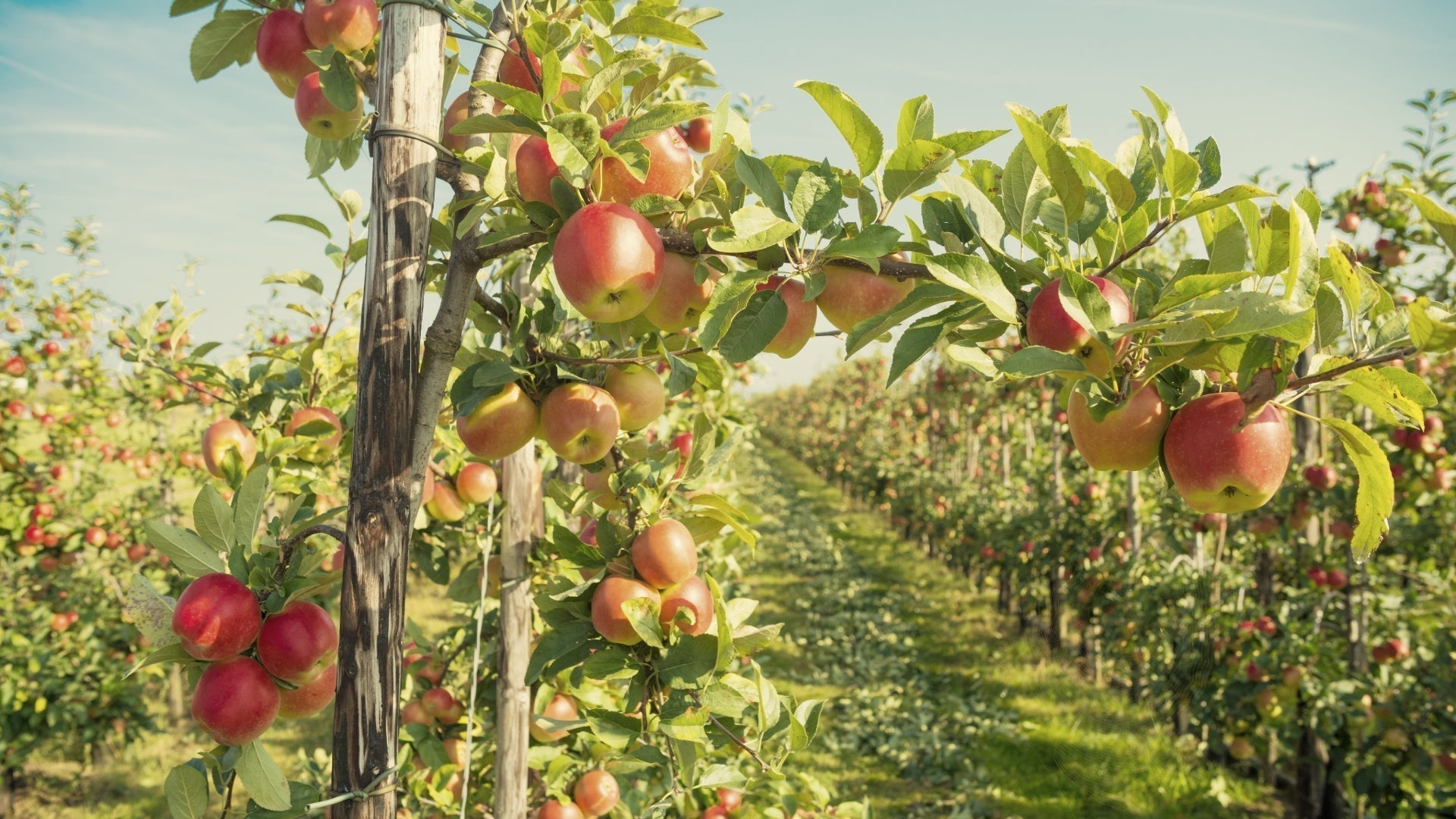
A farmer purchased a neglected orchard.
The trees were mature, but the soil was tired. Irrigation lines leaked. Weeds competed with young saplings. Some sections produced fruit reliably while others struggled.
Over the year the farmer invested in the land.
Not just money.
Attention.
Care.
The irrigation was repaired. The soil was amended. Diseased branches were pruned away. New varieties were grafted onto old rootstock. Relationships we built with suppliers and customers. Each season brought new lessons, mistakes, and improvements.
Slowly, the orchard changed.
The harvests became more consistent. The fruit improved. The business grew.
What began as a neglected orchard became something more.
It became a thriving enterprise. A livelihood. A community of loyal customers.
Looking at the books, the business appeared to have little value. The land was leveraged. The equipment was aging. The liabilities largely offset the assets.
But the farmer saw something that didn't appear on the balance sheet.
The farmer saw fertile soil.
Loyal customers.
Hard-earned knowledge.
A growing reputation.
Momentum.
The farmer saw what others couldn't.
As the business grew, the farmer began to imagine what might be possible with the right partner.
Someone who shared the vision.
Someone who could help carry the workload, bring new ideas, and accelerate the growth of the business.
In good faith, the farmer offered half the equity to the new partner.
The farmer was valuing what the business could become.
Together, they began planning for the future.
Then came an unexpected question.
A while later, the partner wanted to leave.
What had once been a conversation about building the future became a conversation about value.
The farmer found themselves confronting a difficult question.
What was the business actually worth?
Understanding the Value Gap
At first, the answer seemed straightforward.
The land could be valued.
The equipment could be valued.
The inventory could be valued.
But the more the farmer thought about it, the more uncomfortable the question became.
The orchard was more than a collection of assets.
Somewhere along the way, it had become something else.
What was the value of the healthier soil?
What was the value of the relationships built with customers who returned year after year?
What was the value of the lessons learned through seasons of trial and error?
What was the value of the reputation that had been earned one harvest at a time?
What was the value of the countless decisions that prevented problems before they happened?
None of these things appeared on the balance sheet.
Yet they were part of the reason the orchard had become successful.
The more the farmer looked, the clearer it became that some of the most important contributions to the orchard's success were also the hardest to see.
The numbers only told part of the story.
The balance sheet told the story of how our society assigns value to a business.
The orchard told a different story.
One captured what could be counted.
The other reflected years of care, stewardship, learning and trust.
Neither story was inherently wrong.
But neither story was complete on its own.
This is the Value Gap.
The Value Gap is the distance between the value that exists and the value that can be seen.
It appears whenever our systems for measuring value fail to capture the things that created it.
It exists in orchards.
It exists in food businesses.
And once you learn to recognize it, you begin to see it everywhere.
1. In Partnerships
One person sees assets, liabilities, and inventory.
Another may see knowledge, reputation, momentum, and future potential.
Neither perspective is necessarily wrong—but the gap between them can change everything.
2. In Food Businesses
A balance sheet can measure equipment, inventory, and cash.
It cannot easily measure the knowledge that prevents mistakes, the relationships that keep customers returning, or the care that goes into doing things well.
Yet these invisible assets often determine whether a business succeeds or fails.
3. In Brands
A brand can communicate ingredients, certifications, and nutritional information.
It cannot fully communicate craftsmanship, integrity, or the values that guide every decision behind the product.
Customers often experience these things long before they can describe them.
4. In Food Safety
A food safety plan can document procedures, inspections, and corrective actions.
It cannot easily measure the catastrophic food borne illness that never occurred because someone carefully designed, maintained, and followed the system.
The value of prevention is often measured by events that never occur.
5. In Agriculture
A field can be valued by its acreage, yield, and market price.
It is much harder to value healthy soil, biodiversity, and years of careful stewardship.
Yet those invisible assets often determine what the land can produce in the future.
6. In Healthcare
A medical chart can record symptoms, diagnoses, and treatments.
It cannot fully capture a person's lived experience, resilience, or quality of life.
What matters most is not always what is easiest to measure.
7. In Communities
Economic reports can measure jobs and revenue.
They rarely measure resilience.
Or reciprocity.
Or the strength of relationships that help communities weather difficult seasons.
The more I thought about the orchard, the more I began to see the same pattern everywhere.
In all businesses.
In brands.
In communities.
In relationships.
Again and again, I found people struggling to value things that were real but difficult to measure.
Why visibility matters
Recognizing the Value Gap changes the questions we ask.
Instead of asking what something is worth, we begin asking what created that value in the first pace.
Instead of focusing solely on outcomes, we become curious about the systems, relationships, knowledge, and care that made those outcomes possible.
When we learn to see these invisible contributors, we are better equipped to protect them, strengthen them, and communicate their value to others.
Visibility does not create value.
It reveals the value that was already there.
Care.
Trust.
Stewardship.
Experience.
Reputation.
These things rarely appear on a balance sheet, yet they shape the outcomes we value most.
The Value Gap isn't a business problem.
It's a visibility problem.
"Once you see the Value Gap,
you can't unsee it."
The Value Gap isn't something that exists only in orchards. It exists in every business. The question is whether you can see it.
Together we'll map the visible and invisible drivers of value in your business and identify where gaps may exist.