The Value Gap: Why Your Most Valuable Ingredient Isn't on the Label
◷ June 21, 2026
Why the things that create the most value in a food business are often the hardest to see—and why that creates a Value Gap.

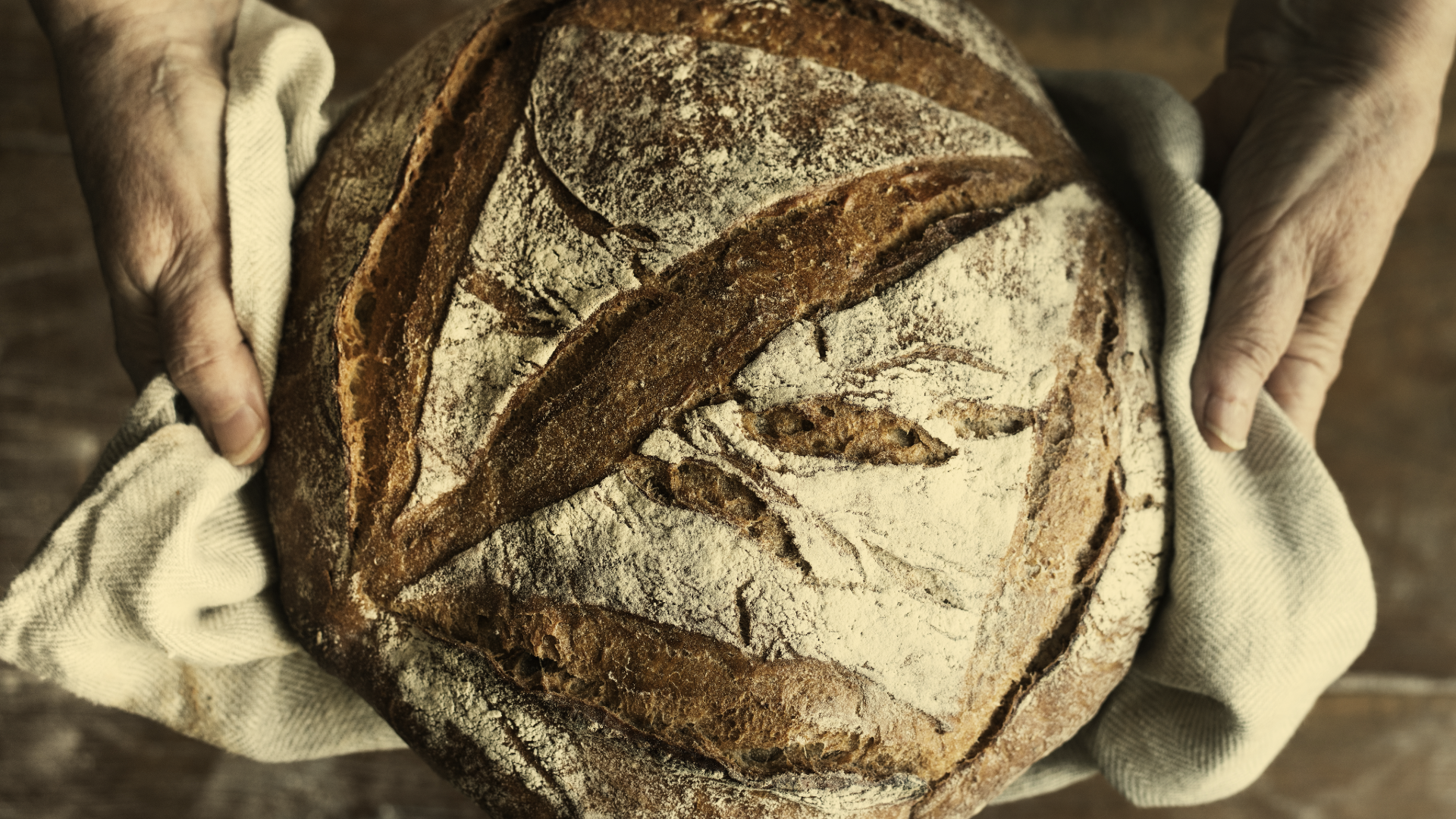
Once upon a time there was a loaf of sourdough bread.
It was beautiful.
Its crust crackled when you sliced it. Its crumb was light and airy. People smiled when they smelled it fresh from the oven.
"I know why people love me," thought the bread.
"It's because I'm delicious."
For a long time, that answer was enough.
Then one day, a little girl picked up the loaf and asked her mother,
"Mom... where does bread come from?"
The bread smiled to itself.
"That's easy," it thought. "The bakery."
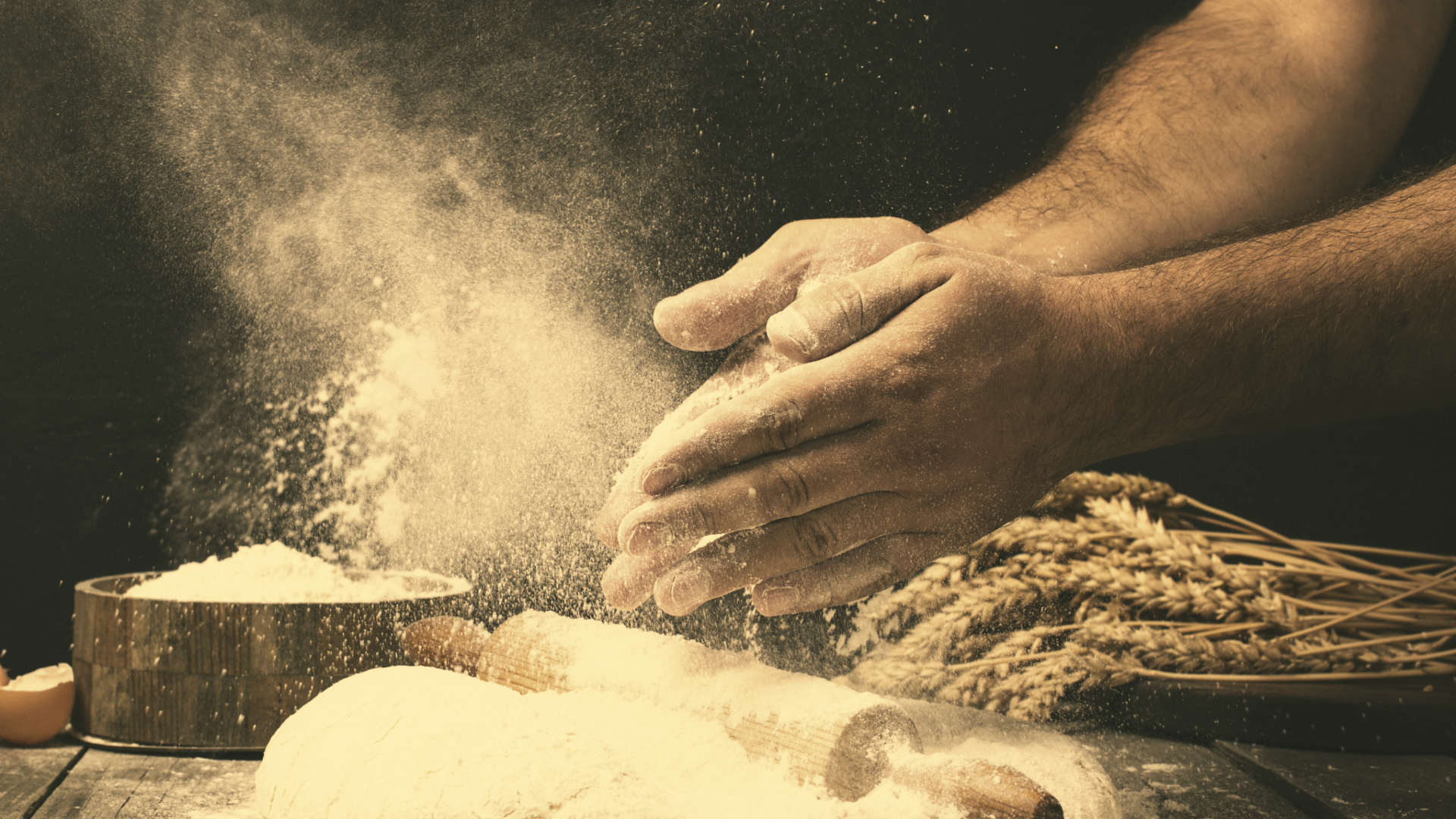
But the baker overheard.
"I didn't create you," he said gently. "I simply gave you your final shape."
The bread was puzzled.
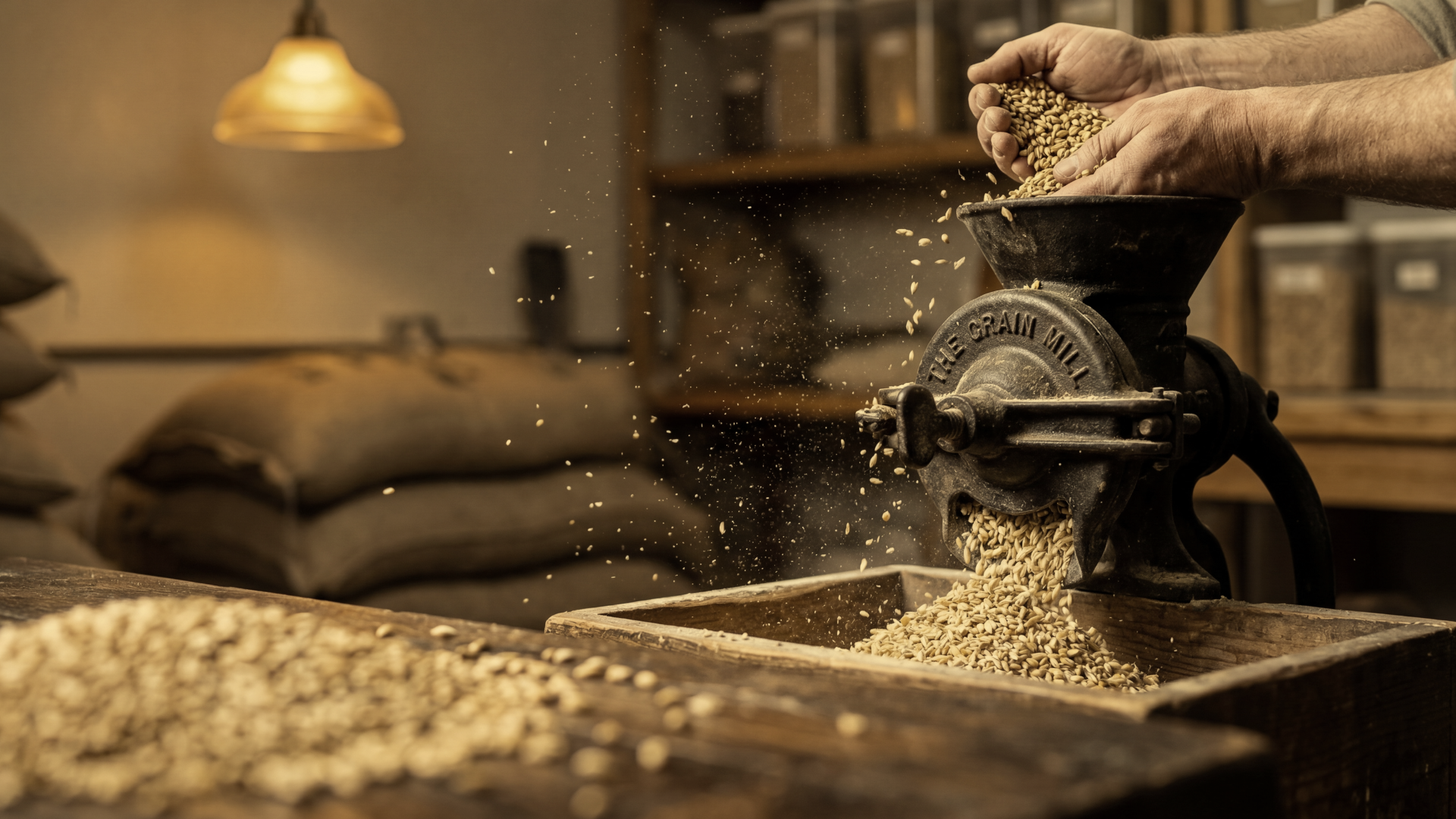
So it traveled to the mill.
"Surely I came from here."
The miller smiled.
"I didn't create you either. I only revealed what was already hidden inside the grain."
The bread continued its journey.
It traveled to the wheat field.
The wheat swayed in the wind.
"We're glad you came," said the wheat.
"But we couldn't have become grain without healthy soil, rain, sunshine, and countless tiny organisms beneath our roots."

The bread had never thought about soil.
Or rain.
Or the wild yeast drifting through the air that became its sourdough starter.
Or the hands that kneaded it.
Or the generations of people who learned, failed, experimented, and passed their knowledge to the next baker.
By the time the bread returned to the bakery, it no longer knew where it had begun.
Then it understood.
"I spent my whole life believing I was just bread."
But 'bread' is only my name.
It isn't my story.
Understanding the Value Gap
Its value had never been contained within its crust.
Or its flavour.
Or even the flour itself.
Its value had been accumulating long before it became bread.
The loaf sitting on the counter was simply the visible expression of countless invisible contributions.
And that's where many businesses find themselves today.
They can easily point to the visible things they produce:
Products.
Equipment.
Facilities.
Recipes.
Packaging.
But the things that often create the greatest value are much harder to see.
The systems that consistently deliver quality.
The culture that guides everyday decisions.
The relationships that build trust.
The knowledge accumulated over decades.
The reputation earned one customer at a time.
The discipline to do the right thing when no one is watching.
These are the ingredients that don't appear on the label.
Yet without them, the label has very little meaning.
This is the Value Gap.
It's the gap between what people can see... and what actually creates value.
It appears whenever our systems for measuring value fail to capture the things that created it.
It exists in bread.
It exists in food businesses.
And once you learn to recognize it, you begin to see it everywhere.

1. In Partnerships
Beyond equity
One person sees assets, liabilities, and inventory.
Another may see knowledge, reputation, momentum and future potential.

2. In Food Businesses
Beyond ingredients
A balance sheet can mesure equipment, inventory and cash.
It cannot easily measure the knowledge that prevents mistakes, the relationships that keep customers returning, or the care that goes into doing things well.

3. In Brands
Beyond the logo
A brand can communicate a promise.
Customers judge the outcome, while the systems that created it remain largely invisible.

4. In Food Safety
Beyond compliance
A food safety plan can document procedures, inspections, and corrective actions.
It cannot measure the catastrophic foodborne illness that never occurred.

5. In Agriculture
Beyond the harvest
A field can be valued by its acreage, yield and market price.
It is much harder to value healthy soil, biodiversity, and years of careful stewardship.

6. In Healthcare
Beyond prescriptions
A medical chart can record symptoms, diagnoses, and treatments.
It cannot fully capture a person's lived experience, resilience, or quality of life..

7. In Communities
Beyond transactions
Economic reports can measure jobs and revenue.
They rarely measure resilience. Or reciprocity. Or the strength of relationships that help communities weather difficult seasons.

8. In Education
Beyond credentials
A diploma can signal knowledge and achievement.
It cannot fully capture curiosity, mentorship, discipline, resilience, or the countless hours of learning that shaped the person behind it.
1. In Partnerships
Beyond equity
One person sees assets, liabilities, and inventory.
Another may see knowledge, reputation, momentum and future potential.
2. In Food Businesses
Beyond ingredients
A balance sheet can mesure equipment, inventory and cash.
It cannot easily measure the knowledge that prevents mistakes, the relationships that keep customers returning, or the care that goes into doing things well.
3. In Brands
Beyond the logo
A brand can communicate a promise.
Customers judge the outcome, while the systems that created it remain largely invisible.
4. In Food Safety
Beyond compliance
A food safety plan can document procedures, inspections, and corrective actions.
It cannot measure the catastrophic foodborne illness that never occurred.
5. In Agriculture
Beyond the harvest
A field can be valued by its acreage, yield and market price.
It is much harder to value healthy soil, biodiversity, and years of careful stewardship.
6. In Healthcare
Beyond prescriptions
A medical chart can record symptoms, diagnoses, and treatments.
It cannot fully capture a person's lived experience, resilience, or quality of life..
7. In Communities
Beyond transactions
Economic reports can measure jobs and revenue.
They rarely measure resilience. Or reciprocity. Or the strength of relationships that help communities weather difficult seasons.
8. In Education
Beyond credentials
A diploma can signal knowledge and achievement.
It cannot fully capture curiosity, mentorship, discipline, resilience, or the countless hours of learning that shaped the person behind it.
The more I thought about the bread, the more I began to see the same pattern everywhere.
In all businesses.
In brands.
In communities.
In relationships.
Again and again, I found people struggling to value things that were real but difficult to measure.
Why visibility matters.
Recognizing the Value Gap changes the questions we ask.
Instead of asking what something is worth, we begin asking what created that value in the first place.
Instead of focusing solely on outcomes, we become curious about the systems, relationships, knowledge, and care that made those outcomes possible.
When we learn to see these invisible contributors, we are better equipped to protect them, strengthen them, and communicate their value to others.
Visibility does not create value.
It reveals the value that was already there.
Care.
Trust.
Stewardship.
Experience.
Reputation.
These things rarely appear on a balance sheet, yet they shape the outcomes we value most.
The Value Gap isn't a business problem.
It's a visibility problem.

The value was always there.
Once you see the Value Gap, you can't unsee it.
The next step isn't creating more value.
It's learning to recognize, protect, and communicate the value that already exists.